
TopSpot
A video-first social competition platform.
Life Sciences and Drug Discovery Case Study
Turning molecular data into structured toxicity predictions and explainable safety insights
BRAND
BioTox
INDUSTRY
Life Sciences / Drug Discovery
MARKET
Global
WORK
Product Engineering
Client Background: Biolligence develops safety intelligence solutions for drug discovery. Its BioTox platform is designed to help research teams identify potential toxicity risks and understand the biological mechanisms associated with those risks. The product combines human-relevant data, AI-based prediction and explainable biological pathways to support earlier safety assessment.
Business Goals: The client needed a secure digital platform that could turn molecular inputs into organized toxicity predictions and supporting scientific views. The product also needed to accommodate different organizations without combining their data, manage subscription limits and provide each organization with an independent workspace for projects, users and compound analysis.
Project Objectives: Virtual Coders was engaged to develop a multi-tenant web platform consisting of a central administration system and isolated tenant applications. The solution needed to support molecular entry and file uploads, property calculations, toxicity prediction, explainability views, user permissions, project management and subscription-based access.
Drug safety analysis produces complex information that is difficult to present through a conventional business application.
Users needed several ways to submit molecular structures, including manual SMILES or InChIKey entry, CSV and SDF uploads, and an integrated molecular drawing interface. The platform then had to coordinate external scientific services and present molecular properties, toxicity classifications, probability values, biological events, substructures, applicability indicators, similar compounds and explainability data.
Each subscribing organization also needed its own application environment and database so its research data would remain separate from the central administration platform and other tenants.
Scientific workflow mapping: We mapped the user journey from molecular input through property calculation and toxicity interpretation, organizing a technically complex process into clear steps for researchers.
Tenant-isolated architecture: The platform was structured around a central super-admin application and separate tenant environments, with independent data storage for each organization.
Flexible molecular input: The workflow was designed to accept manually entered SMILES or InChIKeys, uploaded CSV and SDF files, and molecular structures created through a drawing interface.
Explainable results: Prediction outputs were organized into interpretable views covering molecular properties, toxicity classifications, biological events, substructures, applicability data and similar compounds.
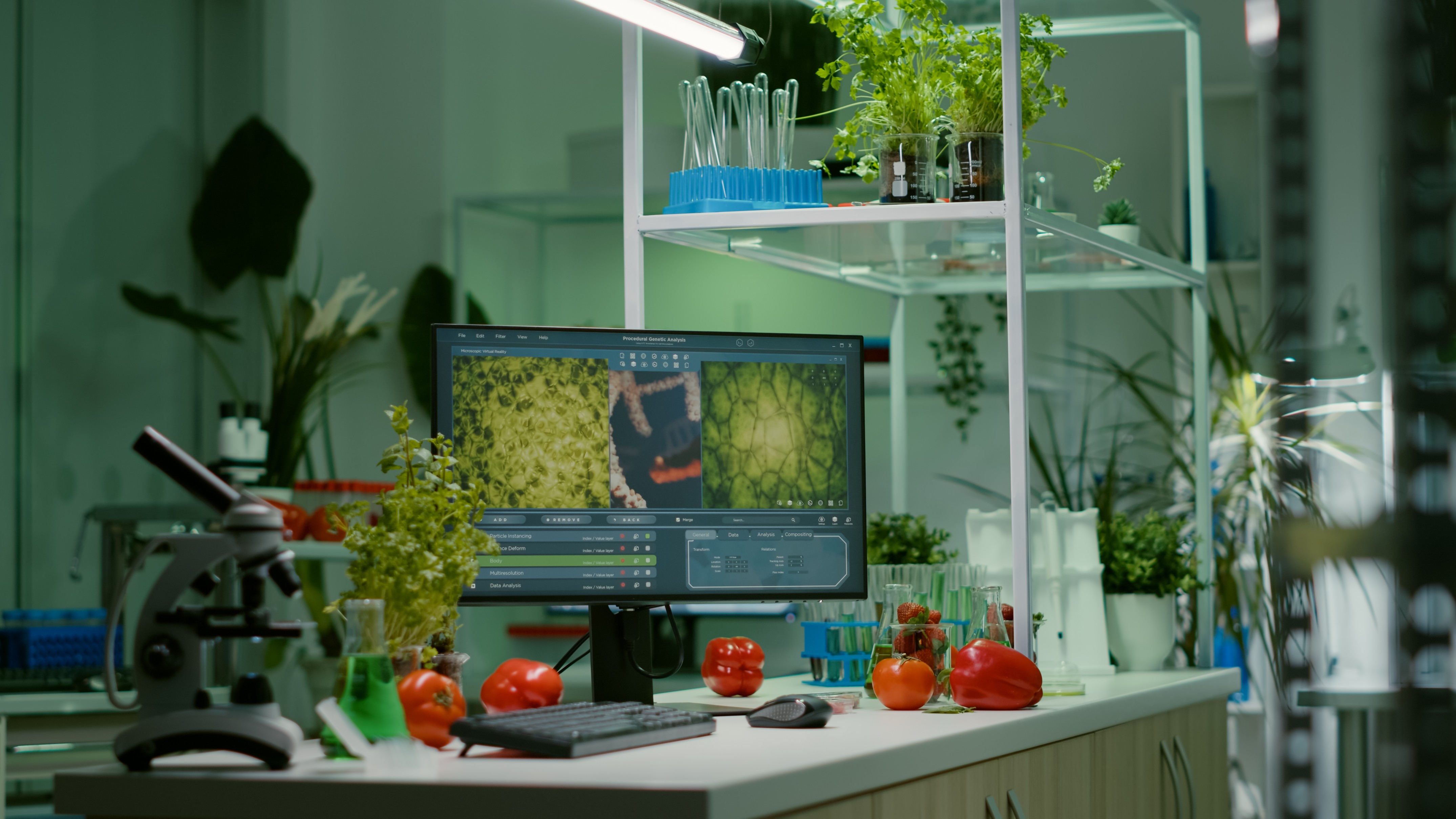

Virtual Coders developed BioTox as a multi-tenant web platform for molecular safety analysis and toxicity prediction. A central super-admin application allows authorized users to create and manage tenants, configure subscription periods, control account status and define usage allowances. Each tenant receives an isolated environment where its administrators can manage users, create research projects, assign access and analyze molecular structures. Researchers can enter SMILES or InChIKeys manually, upload molecular data through CSV or SDF files, or draw a structure using a molecular editor. The platform submits the molecular information to connected scientific services and organizes returned results into accessible views. Role-based permissions and subscription controls govern access to users, projects and molecular analyses.
A video-first social competition platform.

B2B software supporting regulated business operations.

Enterprise software for healthcare operations.



BioTox is a toxicity prediction and safety intelligence platform for drug discovery. It allows research teams to submit molecular structures, review predicted safety outcomes and examine supporting scientific information through a structured digital workflow.
Drug safety information can come from several models, datasets and scientific services. BioTox was designed to bring molecular submission, toxicity prediction, explainability and project organization into one application.
Users can enter SMILES or InChIKeys manually, upload molecular data using CSV or SDF files, or create a molecular structure through an integrated drawing interface.
Depending on the available scientific services and data, the platform can present molecular properties, toxicity classifications, prediction probabilities, molecular initiating events, substructures, applicability indicators, similar compounds and explainability relationships.
The platform can display biological events and connected nodes that help users examine the pathway associated with a prediction. This gives researchers more context than a standalone risk classification or probability score.
The solution was designed with separate tenant application environments and databases. Tenant research data does not need to pass into the central super-admin platform, helping maintain separation between organizations.
Yes. Tenant administrators can create users, manage account status, assign module permissions and choose which users can access individual research projects.
The documented technology stack includes .NET Core for backend APIs, Angular for the frontend, Python for scientific processing and PostgreSQL for data management.
E-414 to 416, Ganesh Glory 11, Jagatpur Road, Nr. BSNL Office, off. S.G. Highway, Jagatpur, Ahmedabad, Gujarat - 382470
18, Giancarlo Crescent, Doolandella-4077, QLD, Australia
20 Meadowglen Pl, Toronto, ON M1H 2Y5