
Cultivera
B2B software supporting regulated business operations.
Healthcare Product Engineering Case Study
Reengineering a connected operating room platform for centralized device control, video routing, workflow automation and intelligent configuration.
created by
Virtual Coders
Direction
Product Reengineering and New Module Development
Client
Confidential Healthcare Technology Client
Year
2020
Client Background: IBMR is an enterprise healthcare technology platform designed to serve as a central point of control within an integrated operating room environment. The wider product ecosystem brings together multiple software and hardware components used to manage compatible devices, audio and video sources, operational workflows and room configurations. The platform architecture includes a central Hub PC, Host PC, matrix router, operating-room PC, streaming components and supporting applications.
Business Goals: The project aimed to reengineer the existing product and introduce new modules that could bring several operating room functions into one connected experience. The platform needed to support centralized device control, audio and video routing, configurable room displays, operational checklists, media workflows and selected automation features.
Project Objectives: Virtual Coders was engaged to strengthen the existing IBMR product and develop new modules for its connected operating room ecosystem. The engagement covered desktop and web application development, API services, hardware and software integration, video streaming, operational configuration tools, deployment automation and intelligent workflow features.
An integrated operating room contains multiple devices, displays, video sources and software components. Managing these elements through separate interfaces can create a fragmented experience for clinical and operational teams.
IBMR required a central platform capable of coordinating compatible equipment, routing audio and video, managing room displays, configuring operational workflows and supporting communication between several connected computers and third-party systems.
The project also had to account for proprietary technologies, different integration protocols and the need to introduce new functionality without disrupting the wider product architecture.
Understand the complete system architecture: The team mapped the responsibilities and communication paths between the Hub PC, Host PC, matrix router, operating-room PC, streaming components and supporting applications.
Create connected control experiences: Device control, video routing, wall configuration, checklists and advanced settings were organized as parts of one connected operating room workflow.
Integrate third-party technologies: The implementation connected external video, streaming, camera, voice-control and operating-room equipment through application services and APIs.
Strengthen delivery and deployment: TeamCity and Octopus Deploy supported more repeatable development, testing and release processes across the product environment.
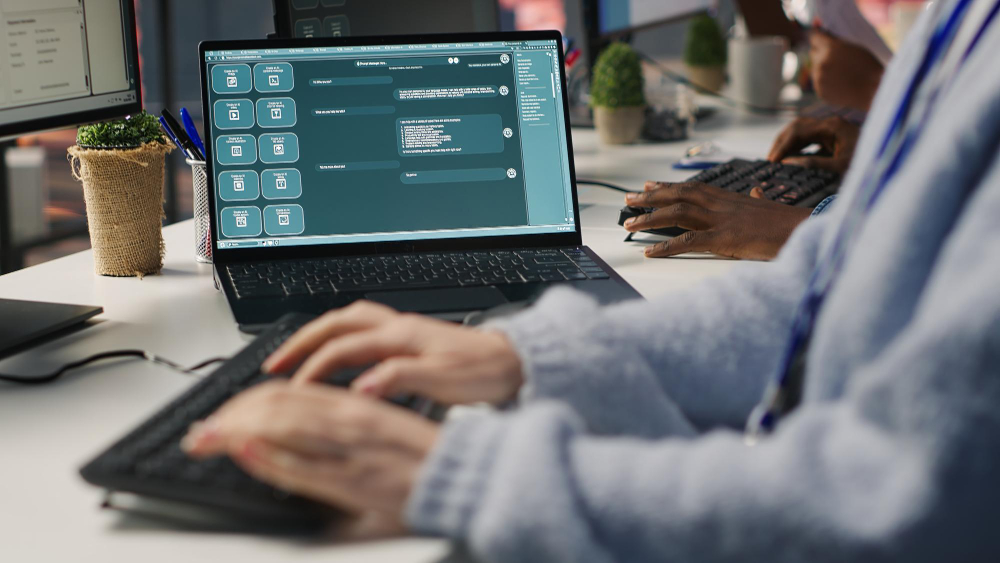
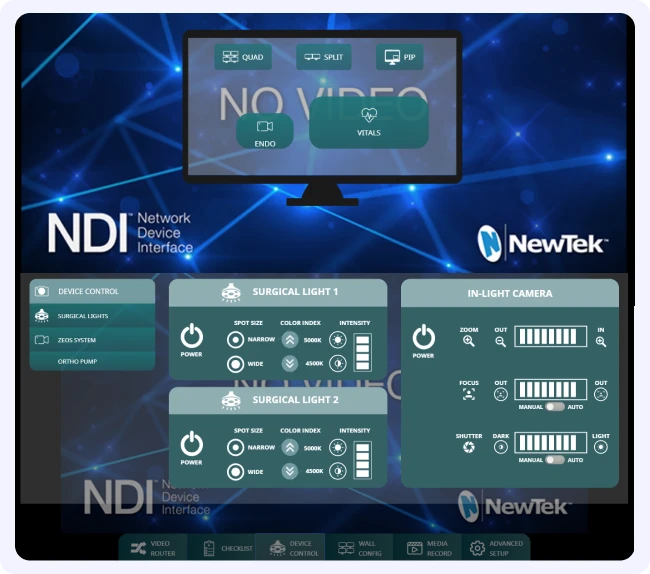
Virtual Coders reengineered the IBMR product and developed new modules that brought device management, video routing, room configuration and operational checklists into a unified software experience. The solution included two web applications, two Web APIs and a Windows desktop application. Together, these components supported communication between the central Hub PC, Host PC and other connected systems. The interface gave authorized users access to video-routing controls, device settings, configurable display layouts, media functions, pre-operation and post-operation checklists, button configuration and advanced system settings. Selected automation features were also designed to connect recognized workflow events with display content, checklist actions and operational notifications.
B2B software supporting regulated business operations.

A learning platform modernised for scale.

A video-first social competition platform.



IBMR is a connected operating room platform designed to provide a central interface for compatible equipment, audio and video routing, room displays, operational checklists and configurable workflows. It forms part of a wider ecosystem of software and hardware used in integrated operating room environments.
The platform needed to coordinate multiple computers, devices, video sources and software applications within one operating room environment. The project focused on reducing this fragmentation by bringing key controls and configuration workflows into a connected software experience.
Virtual Coders reengineered the existing product and developed new modules across two web applications, two Web APIs and a Windows desktop application. The work also included video streaming, third-party integrations, deployment automation and configuration tools for devices, displays and operational workflows.
The platform included video-routing and wall-configuration tools that allowed compatible sources to be assigned to connected operating room displays. The interface supported different presentation layouts, including quad view, split view and picture-in-picture.
The interface included configuration for video sources, connected devices, display layouts, operational checklists, buttons, presets, media functions and selected intelligent workflow settings. Available functions depended on the connected equipment and wider system configuration.
Authorized users could configure checklist items for stages such as pre-anesthesia, surgical timeout and post-operation review. The platform also included settings for connecting checklist behavior with recognized workflow events and supported destinations.
The project used C#, .NET, Web APIs, Windows desktop development, web applications, Amazon AWS, TeamCity, Octopus Deploy, video-streaming technology and third-party software integrations.
Yes. The project included selected intelligent configuration features, an AI-enabled camera integration and Alexa-based voice-control functionality. These capabilities were designed to support defined system and workflow actions within the broader platform.
E-414 to 416, Ganesh Glory 11, Jagatpur Road, Nr. BSNL Office, off. S.G. Highway, Jagatpur, Ahmedabad, Gujarat - 382470
18, Giancarlo Crescent, Doolandella-4077, QLD, Australia
20 Meadowglen Pl, Toronto, ON M1H 2Y5