
Draft Unicode
Digitizing Gujarati legal documents through OCR and Unicode technology.
RESTAURANT TECHNOLOGY • POS • PRODUCT ENGINEERING
Connecting front-of-house ordering, kitchen operations and restaurant management in one platform
Applications
POS + KDS + Admin
INDUSTRY
Hospitality / Restaurant Technology
PRODUCT
POS & Restaurant Operations
WORK
Product Engineering
Client Background: Restaurant operations depend on multiple teams working together in real time. Front-of-house staff need to take and manage orders quickly, kitchen teams need clear visibility into what needs to be prepared, and managers need control over restaurant configuration and operational activities. Traditional systems can become difficult for staff when POS, kitchen and management workflows are disconnected or when everyday actions require too many steps.
Business Goals: The goal was to create a fast and easy-to-use restaurant POS platform that could support day-to-day restaurant operations while reducing unnecessary complexity for staff. The product needed to connect order-taking with kitchen execution and restaurant administration while keeping each interface focused on what that particular user needs to do.
Project Objectives: Virtual Coders was engaged to design and develop a connected restaurant ecosystem consisting of a POS application, integrated Kitchen Display System (KDS), separate Admin application and ERPNext/Frappe-based backend, with an architecture that could continue evolving toward a broader SaaS product.
Restaurant software operates in an environment where every extra interaction matters.
During busy service periods, cashiers cannot navigate complicated workflows to place an order, while kitchen teams need immediate and clear information about what needs to be prepared.
At the same time, managers and administrators require significantly more controls than operational staff.
The challenge was therefore to balance:
Speed: Minimize steps for frequent POS actions.
Simplicity: Make the system usable by restaurant staff with different levels of technical experience.
Role Separation: Give Cashiers, Managers, Administrators and Kitchen staff appropriate functionality.
Kitchen Coordination: Connect orders taken at the POS with kitchen execution.
Centralized Management: Keep administrative controls separate without disconnecting them from restaurant operations.
Future Scalability: Establish a foundation that can evolve beyond a single restaurant deployment.
Restaurant Workflow Analysis: Map how orders move from customer selection and cashier entry through kitchen preparation and restaurant management
Minimum-Click POS Experience: Design frequently used ordering actions around speed, touch interaction and minimal navigation so staff can complete routine operations efficiently.
Role-Based Product Experiences: Separate functionality for Cashiers, Managers, Administrators and Kitchen staff instead of exposing every capability through one complicated interface.
Connected Platform Architecture: Connect POS, KDS and administration through a shared ERPNext/Frappe-based backend and custom application layer, establishing a foundation that can evolve as the product grows.
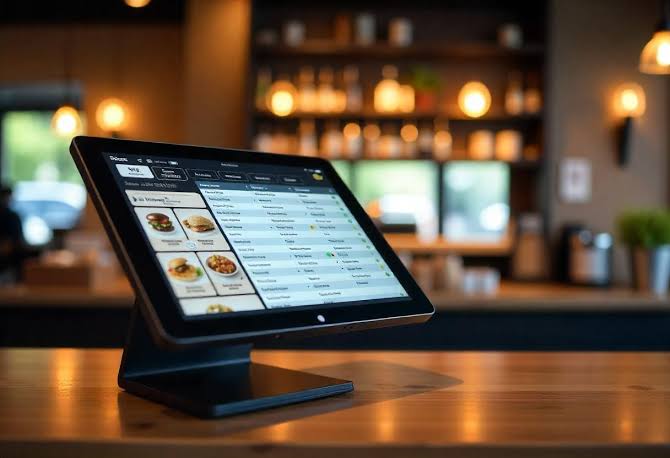
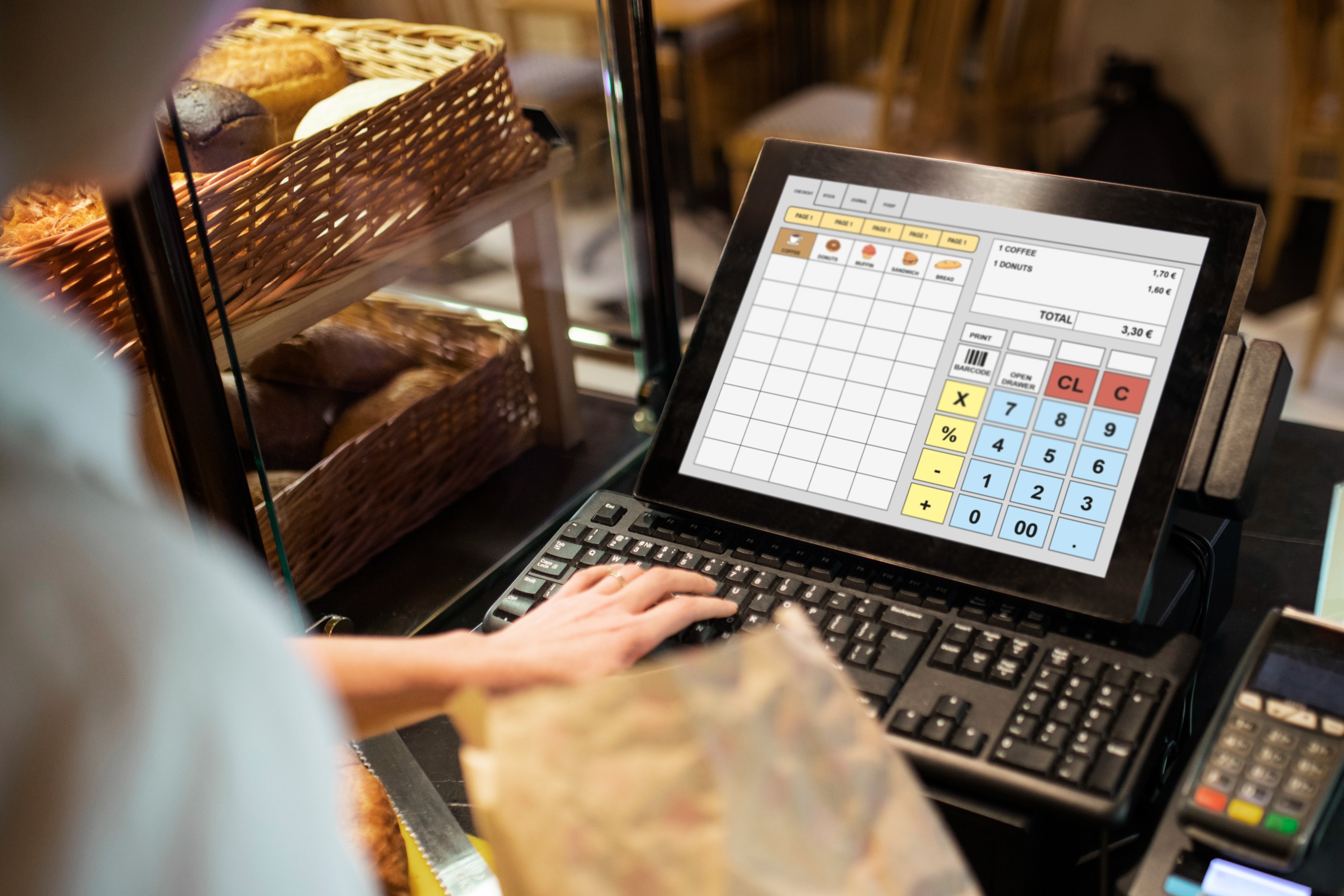
Virtual Coders designed and developed a connected restaurant platform centered around three operational experiences: Point of Sale, Kitchen Display and Restaurant Administration. The POS application provides front-of-house staff with a fast, touch-friendly interface for handling restaurant orders while minimizing unnecessary navigation during high-frequency operations. Orders flow into an integrated Kitchen Display System, giving kitchen staff a dedicated view focused on preparation and execution rather than exposing them to cashier or administrative functionality. A separate Admin application provides managers and administrators with the controls required to manage restaurant operations and system configuration without adding complexity to the POS interface. The applications are connected through an ERPNext/Frappe-based backend with custom application components, creating a centralized foundation for restaurant data and business logic. The resulting product separates each operational experience while keeping the restaurant connected through a common technology platform.
Digitizing Gujarati legal documents through OCR and Unicode technology.

Digitizing daily field reporting from jobsite activity to billing-ready data
Enterprise software for healthcare operations.



The platform was designed to simplify restaurant operations by connecting front-of-house ordering, kitchen execution and administrative management while keeping each experience focused on the needs of its users.
The product ecosystem consists of a restaurant POS application, integrated Kitchen Display System and separate Admin application connected through a common backend platform.
The system supports multiple operational roles including Cashiers, Managers, Administrators and Kitchen staff, with functionality tailored to each role.
Orders created through the POS are made available to the Kitchen Display System, providing kitchen staff with an execution-focused view of the orders that need to be prepared
Cashiers and kitchen staff perform very different tasks. Separating their interfaces allows each team to see only the information and controls relevant to their work while remaining connected through the underlying platform.
The product uses React/Next.js for the application experience with ERPNext/Frappe and custom components supporting the backend and business workflows.
E-414 to 416, Ganesh Glory 11, Jagatpur Road, Nr. BSNL Office, off. S.G. Highway, Jagatpur, Ahmedabad, Gujarat - 382470
18, Giancarlo Crescent, Doolandella-4077, QLD, Australia
20 Meadowglen Pl, Toronto, ON M1H 2Y5